
Five Scam Awareness Mistakes Canadians Make and How to Avoid Them
Most people caught out by a scam were careful in other ways. These five common slips, from trusting caller ID to paying a stranger fast, are easy to fix once you can see them.
Mistake 1: Trusting the name on the screen
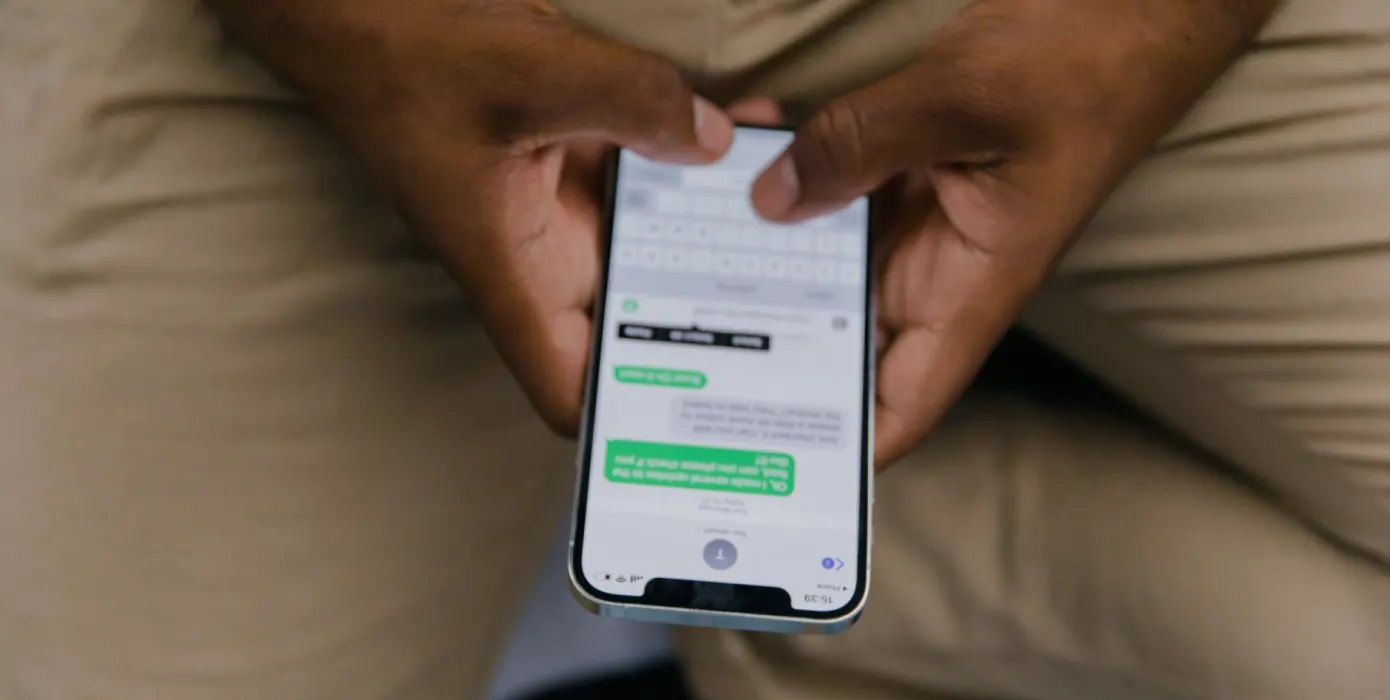
The first slip is believing what a phone shows you. Caller ID can be copied, so a call that appears to come from your bank, a courier or a government office proves nothing about who is actually speaking. The same goes for text messages, which can land in the same thread as genuine messages from a real sender and borrow its credibility.
The fix is simple and slightly inconvenient: treat any unexpected call or message as a stranger until you have confirmed otherwise. Hang up, then phone the number printed on the back of your card or on your statement. Do not use a number the caller gave you, and do not call back the one that just rang.
Marc Tremblay, who teaches this in the course, often tells learners that a real bank will never mind being called back. The pause costs you two minutes, and it removes most of the pressure a scammer relies on.
- Hang up and call the number on your card
- Never reply to a number in a message
- Ignore the name shown on the screen
Mistake 2: Acting fast because someone says it is urgent
Urgency is the main tool in almost every scam. A message says your account will be locked in an hour, a caller says a payment is about to go through, or a text claims a parcel will be returned unless you pay a small fee. The aim is to stop you thinking and push you into acting.
Real problems with an account rarely need to be solved in the next ten minutes by a stranger. If someone insists on speed, that insistence is itself the warning. Slow the conversation down on purpose and say you will call back through an official channel.
A useful habit is to wait before you act on anything that involves money, a login or a code. Even a short walk around the block is enough to let the pressure fade and let a clearer question come up: why does this have to happen right now?
- Treat deadlines from strangers as a warning
- Say you will call back and then do so
- Take a few minutes before moving money
Mistake 3: Sharing codes, PINs or passwords
Many people know never to give out a PIN, yet will read out a six-digit verification code when asked politely. That code exists to prove you are the one logging in, so passing it on hands your account to whoever asked. A caller who says they are cancelling a fraudulent login and just needs the code is describing the attack itself.
No bank or reputable service will ask you to read out a PIN, a full password or a one-time code, whether by phone, text or email. If you are ever asked, the answer is no, whatever reason is given and however friendly the voice sounds.
It also helps to keep your details to yourself in smaller ways. Do not photograph a card and send it, do not write a PIN on the card, and do not enter a login on a page you reached through a link in a message.
- One-time codes are for you alone
- No genuine caller needs your PIN
- Type the site address yourself, not from a link
Mistake 4: Paying in ways that cannot be undone
Scammers prefer payment methods that are hard to reverse. Gift cards, cryptocurrency transfers and e-transfers sent to someone you have never met are common requests, because once the money is gone, getting it back is difficult or impossible. A request to pay a fine, a tax bill or a deposit this way should stop you straight away.
Be especially wary when the payment method is chosen for you. Legitimate organizations let you pay through normal, traceable channels and send a written notice you can check. If a stranger tells you which method to use and how to describe the payment to your bank, treat that as a clear sign something is wrong.
When you do send an e-transfer, confirm the recipient's details by another route first, and check the amount and name before you approve. A small delay at that point is far cheaper than a loss afterwards.
- Gift cards are never a way to settle a bill
- Confirm a new payee by a separate call
- Check the name and amount before approving
Mistake 5: Staying quiet after a slip
Embarrassment is the most costly mistake of all. People who realize they clicked a link or shared a code often wait, hoping nothing will come of it. Each hour of delay gives a scammer more room to move money or lock you out.
If something looks wrong, contact your bank straight away using the number on your card. Tell them what happened, change the passwords involved, and check your recent transactions for anything you do not recognize. You can also report the attempt to the Canadian Anti-Fraud Centre, which keeps track of the methods in use.
Being caught by a well-made scam says very little about your intelligence. These schemes are built by people who do it daily. Speaking up early protects you, and it helps others hear about what is circulating.
- Call your bank first, quickly
- Change any password you may have shared
- Report the attempt to the Canadian Anti-Fraud Centre
None of these five mistakes comes from carelessness. They come from ordinary trust, a busy day and a message that was written to look believable. The habits that counter them are small: confirm through a number you looked up, slow down, keep codes private, avoid payments you cannot undo and speak up quickly. Practise them until they feel automatic, and most scams lose their grip before they begin.
You may also like
-
01
How to Build a Monthly Budget You Can Actually Keep ↗
A step-by-step guide to setting up a simple monthly budget around your real income, tracking where the money goes, and keeping the routine going through a busy autumn.
-
02
What 'Pay Yourself First' Means in a Monthly Budget ↗
A plain-words explanation of paying yourself first: moving a set amount into savings on payday, before bills and spending, and how to make the rule fit an ordinary Canadian income.